
 Study MBBS In Armenia
  Study MBBS In Kyrgyzstan
  Study MBBS In China
  Study MBBS In Philippines
  Study MBBS In Ukraine
  Study MBBS In Nepal
  Study MBBS In Russia
  Study MBBS In Kazakhstan
  Study MBBS In Georgia
  Study MBBS In Uzbekistan
  Study MBBS In Bangladesh


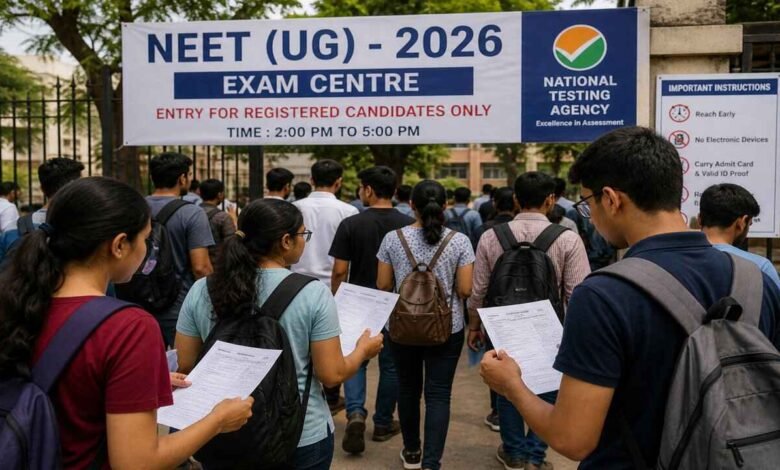
If you've spent any time researching MBBS abroad, you've probably come across ads, YouTube videos, or agent messages claiming you can study MBBS in Russia without NEET. For thousands of Indian students and parents every year, this phrase sparks both hope and confusion — is it really possible to skip NEET and still become a licensed doctor in India?
It's an understandable question. NEET is a high-stakes, high-pressure exam, and every year millions of students who genuinely want to become doctors don't secure a competitive enough rank for a government MBBS seat in India. In that environment, any claim that offers a way around NEET is bound to catch attention — especially when it's paired with the appeal of an affordable medical degree abroad.
The short answer: no, it isn't possible, and any consultancy or agent claiming otherwise is either misinformed or being deliberately misleading. In this guide, we'll explain exactly why NEET is mandatory, where this myth comes from, what actually happens if you study MBBS abroad without qualifying NEET, and what genuinely affordable, low-competition alternatives exist for students who are worried about NEET scores.
Why This Myth Exists in the First Place
The "MBBS without NEET" claim didn't appear out of nowhere. It typically comes from a few sources:
1. Confusion between university admission and Indian licensing. Some foreign universities — particularly certain private institutions — do not require NEET scores for their own admission process. Technically, a student could be admitted to a foreign medical university without ever having taken NEET. This is where the myth takes root: admission without NEET is possible, but practicing medicine in India afterward is not.
2. Aggressive marketing by unregulated agents. Some consultancies use "no NEET required" as a marketing hook to attract students who are anxious about their NEET scores, without clearly explaining the consequences down the line.
3. Outdated or incomplete information circulating online. Old blog posts, forum threads, and social media content sometimes reference rules that no longer apply or were never accurate in the first place, and this misinformation keeps getting recycled.
What NMC Rules Actually Say
According to the National Medical Commission (NMC), any Indian citizen or Overseas Citizen of India (OCI) who wants to pursue a medical degree abroad and later register to practice in India must:
- Qualify NEET before taking admission to any foreign medical university
- Obtain an Eligibility Certificate (EC) from the NMC prior to admission, which itself requires a valid NEET qualification
- Complete a medical program abroad that meets NMC's structural requirements (minimum course duration, English-medium instruction, internship structure)
- Clear the FMGE or NExT screening test after graduation to obtain a license to practice medicine in India
This means NEET isn't just a one-time formality — it's baked into the eligibility process at multiple stages. Without a valid NEET qualification, a student cannot even legally begin the process of studying MBBS abroad with the intention of practicing in India.
What Happens If You Study MBBS Abroad Without NEET?
This is the part most agents conveniently leave out. If a student enrolls in a foreign medical university without having qualified NEET:
- They will not be eligible for the NMC's Eligibility Certificate
- Even after completing the full MBBS program abroad, they cannot appear for FMGE/NExT
- Without clearing FMGE/NExT, they cannot register with any State Medical Council or the National Medical Register
- This means the student cannot legally practice medicine anywhere in India, regardless of how good their university or grades were
In practical terms, this means potentially spending 6 years and ₹15–40 lakhs on a medical degree that cannot be used to build a medical career in India. This is one of the most serious and costly mistakes a student can make, and it happens more often than people realize — usually because a family was told "NEET isn't required" without being told what that actually means for their future.
Is There Any Legal Way to Study MBBS Abroad Without NEET?
If your goal is to practice medicine in India, the honest answer is no — there is no legal shortcut around NEET. However, there are two scenarios worth understanding:
Scenario 1: You don't intend to practice in India. If a student plans to build their medical career entirely outside India — for example, pursuing licensing exams like the USMLE (USA) or PLAB (UK) after graduation — NEET technically isn't a legal requirement for that specific pathway, since Indian licensing rules wouldn't apply. However, this is a narrow, high-risk exception, and very few students realistically plan their entire careers around never practicing in India.
Scenario 2: You haven't taken NEET yet but plan to. Some students confuse "not having taken NEET yet" with "not needing NEET." If you're still in the process of preparing for NEET and considering MBBS abroad as a backup plan, that's a completely different — and legitimate — situation. In this case, you would still need to appear for and qualify NEET before finalizing admission abroad.
What About Low NEET Scores?
This is where the real, legitimate opportunity lies — and it's often confused with the "no NEET" myth. You do not need a high NEET score to study MBBS in Russia; you simply need to have qualified NEET, meaning you crossed the minimum qualifying cutoff (which is significantly lower than what's needed for government MBBS seats in India).
This is precisely why Russia has become such a popular destination: NEET-qualified students who don't get a seat in India due to limited government seats and high competition can still pursue a genuine, NMC-recognized medical degree abroad — as long as they've qualified NEET, not skipped it.
The Real Cost of Falling for This Myth
It's worth pausing on just how significant the consequences can be, because the numbers involved aren't small. A typical MBBS program in Russia runs six years and costs anywhere from ₹15 lakh to ₹40 lakh depending on the university and city. For most Indian families, this represents years of savings, loans, or a combination of both.
Now imagine reaching the end of that six-year journey — degree in hand, clinical training complete — only to discover that without a valid NEET qualification, none of it can be converted into a medical license in India. The student would have a genuine, university-issued MBBS degree, but no legal pathway to practice medicine in the country where their family lives and where they likely intended to build their career.
This isn't a rare hypothetical. Education counsellors and NMC helpdesks routinely hear from students and families who were told, often verbally and without documentation, that NEET "wouldn't be a problem." By the time the issue surfaces — sometimes years into the program — the financial and emotional cost of correcting course is enormous. This is exactly why verifying eligibility requirements independently, before signing any admission paperwork, matters so much.
Why NEET Exists as a Requirement At All
It helps to understand the reasoning behind this rule rather than just the rule itself. NEET was introduced as a single, standardized entrance examination to ensure that every medical practitioner in India — regardless of which college or country they trained in — meets a consistent baseline of subject knowledge before beginning medical education. Extending this requirement to students studying abroad closes a loophole that previously allowed some students to bypass competitive entrance standards entirely by studying overseas.
From the NMC's perspective, this isn't about discouraging students from studying abroad — thousands of NEET-qualified students do so successfully every year. It's about ensuring that regardless of where a student trains, they've met the same foundational entrance standard as their India-trained peers before being allowed to register and practice.
How to Protect Yourself From This Myth
If you're evaluating consultancies or universities and someone tells you NEET isn't required, treat it as a serious red flag. Here's how to verify information independently:
- Check the NMC's official website directly for the latest Foreign Medical Graduate Licentiate (FMGL) Regulations rather than relying solely on what an agent tells you
- Ask for the Eligibility Certificate process in writing — any legitimate consultancy will walk you through EC requirements without hesitation
- Be suspicious of guarantees that sound too easy — legitimate medical education abroad still requires meeting NEET qualification, documentation, and university-specific criteria
- Cross-verify with multiple sources, including official government portals, rather than relying on a single consultancy's claims
Why Transparency Matters More Than a Quick Sell
Choosing to study medicine abroad is a six-year commitment and a significant financial investment for most Indian families. A consultancy that prioritizes transparency — even when the truth is less exciting than "no NEET required" — is protecting your time, money, and future career, not just making a sale.
At DoctorBano, we walk every student through the actual NMC eligibility requirements before recommending any university, precisely because we've seen how costly this particular myth can be when it goes unchecked. Our goal is to help you make a fully informed decision, not just get you enrolled somewhere.
Key Takeaways
- NEET qualification is mandatory for any Indian student who wants to study MBBS abroad and later practice medicine in India
- "Admission without NEET" and "practicing in India without NEET" are two very different things — foreign universities may not require it for admission, but the NMC absolutely requires it for Indian licensing
- Studying MBBS abroad without a valid NEET qualification can result in a degree that cannot be used to practice medicine in India
- What genuinely helps NEET-qualified students with modest scores is that Russian universities admit based on NEET qualification alone, not high cutoff ranks — this is the real opportunity, not a NEET exemption
- Always verify eligibility claims directly through the NMC's official resources before trusting a consultancy's marketing claims
Frequently Asked Questions
Can I study MBBS in Russia if I haven't taken NEET at all?
No. NEET qualification is a mandatory prerequisite for any Indian student pursuing MBBS abroad with the intention of practicing medicine in India, including in Russia.
Do Russian universities themselves require NEET for admission?
Some Russian universities may not check NEET scores during their own admission process, but Indian students still need a valid NEET qualification to obtain the NMC's Eligibility Certificate and later appear for FMGE/NExT.
What NEET score do I need for MBBS in Russia?
You generally just need to have qualified NEET by crossing the minimum cutoff, rather than needing a high rank, since Russian university admissions are not based on competitive NEET ranking the way Indian government colleges are.
What happens if I already started MBBS abroad without qualifying NEET?
You should consult the NMC's official guidelines and, if needed, a qualified education counsellor immediately to understand your options, since continuing without a valid NEET qualification could affect your ability to practice in India later.
Is it true that some countries don't require NEET for MBBS?
Some foreign universities may not require NEET for their own admission process, but Indian regulations under the NMC still require NEET qualification for any Indian student who wants to register and practice medicine in India after graduating abroad.
Get the Facts Before You Decide
Don't let a misleading claim cost you years and lakhs of rupees. At DoctorBano, we give students and parents accurate, verified information about NEET eligibility, NMC requirements, and university selection — every step of the way.
Talk to a DoctorBano counsellor today for honest, transparent guidance on your MBBS abroad journey.