
 Study MBBS In Armenia
  Study MBBS In Kyrgyzstan
  Study MBBS In China
  Study MBBS In Philippines
  Study MBBS In Ukraine
  Study MBBS In Nepal
  Study MBBS In Russia
  Study MBBS In Kazakhstan
  Study MBBS In Georgia
  Study MBBS In Uzbekistan
  Study MBBS In Bangladesh


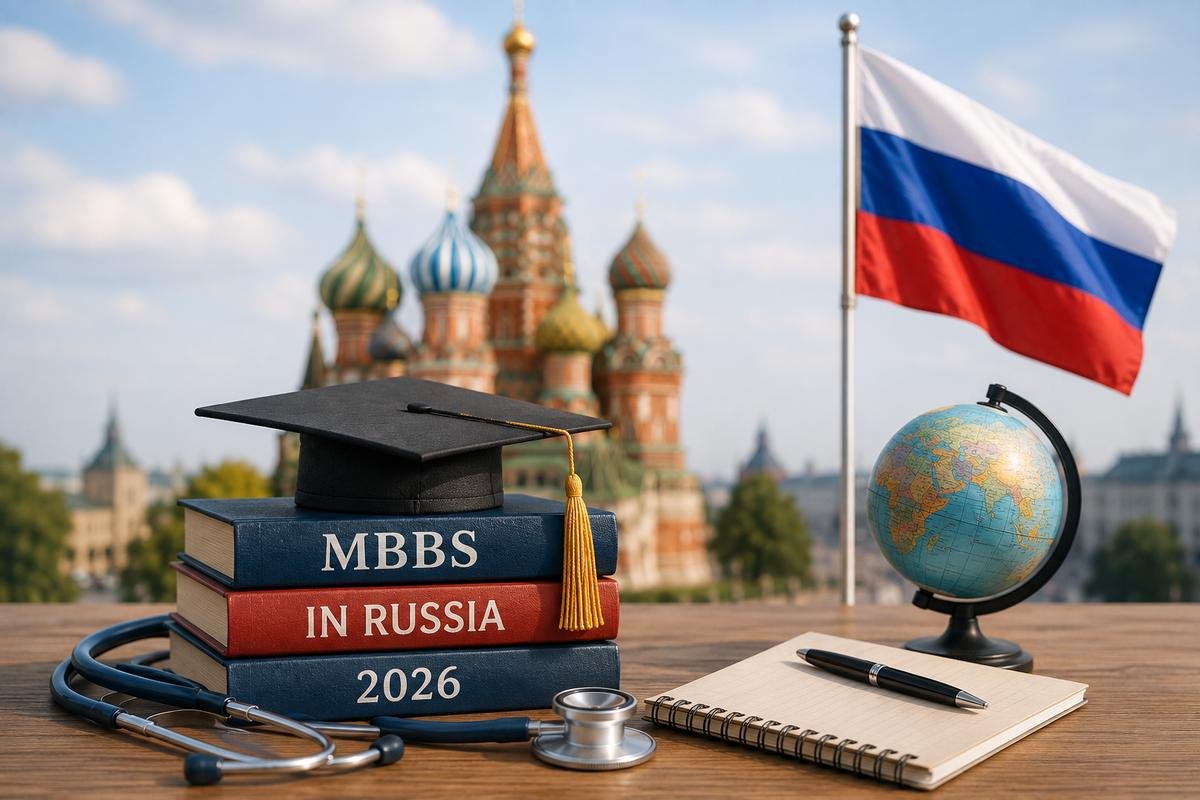
One of the most common questions Indian students and parents ask when researching MBBS in Russia isn't just how much does it cost overall — it's how much does each specific university cost. Fee ranges vary meaningfully depending on the city, the university's reputation, and its facilities, and understanding these differences upfront helps families budget accurately and compare options properly before shortlisting a university.
Many students start their research with a single average figure — often the widely cited ₹15–40 lakh range — without realizing how much that number can shift depending on which specific university and city they choose. Two students paying tuition in the same country can end up with total costs that differ by ₹15–20 lakh simply based on university choice, which makes a detailed, university-specific comparison essential rather than optional.
This guide breaks down the complete fee structure for the most popular NMC-approved medical universities in Russia for the 2026 intake, along with additional costs beyond tuition that every family should factor into their planning. At DoctorBano, this is one of the first things we walk through with every student during counselling, since fee clarity upfront prevents budget surprises later.
Why Fees Vary So Much Between Universities
Before looking at specific numbers, it helps to understand why the range is as wide as ₹15–40 lakh across different institutions. A few factors drive this variation:
- City cost of living: Universities in major cities like Moscow or St. Petersburg tend to charge more than those in smaller cities like Tver or Orenburg, partly reflecting the local cost of living and infrastructure investment.
- University reputation and ranking: Older, more established universities with stronger research output and larger campuses often charge a premium over newer or smaller institutions.
- Currency exchange fluctuations: Since tuition is typically quoted in USD or Russian rubles, the rupee equivalent can shift year to year based on exchange rates.
- Facilities and infrastructure: Universities with dedicated teaching hospitals, modern laboratories, and better hostel facilities generally charge higher tuition than those relying more heavily on external clinical affiliates.
University-Wise Fee Structure for MBBS in Russia (2026)
Below is a breakdown of approximate total course fees (covering the full 6-year program) for some of the most popular NMC-approved universities among Indian students.
| University Name | City | Approx. Total Fees (6 Years) | Recognition |
|---|---|---|---|
| Kazan State Medical University | Kazan | ₹25–38 Lakhs | NMC & WHO |
| Kazan Federal University | Kazan | ₹25–38.5 Lakhs | NMC & WHO |
| Tver State Medical University | Tver | ₹18–20 Lakhs | NMC & WHO |
| Bashkir State Medical University | Ufa | ₹27–28 Lakhs | NMC |
| North Ossetian State Medical University | Vladikavkaz | ₹19.23–23.50 Lakhs | NMC & WHO |
| Sevastopol State Medical University | Sevastopol | ₹20–24 Lakhs | WHO |
Note: These figures represent the total tuition cost across the full 6-year program and can vary slightly year to year based on university policy updates and currency fluctuations. Always confirm the current fee structure directly with the university or your admission counsellor before finalizing your decision.
Detailed Breakdown by University
Kazan State Medical University (Kazan)
One of the most preferred choices among Indian students, Kazan State Medical University combines strong academic reputation with a well-established Indian student community in the city. Total fees typically range from ₹25–38 lakh for the complete program, positioning it in the mid-to-upper tier of Russian medical universities in terms of cost, but justified by its infrastructure, teaching hospital access, and consistent FMGE track record.
Kazan Federal University (Kazan)
Similarly priced to Kazan State Medical University at ₹25–38.5 lakh, Kazan Federal University is another strong option in the same city, giving students in Kazan two well-regarded university choices within a similar fee bracket and shared access to the city's established Indian student support network.
Tver State Medical University (Tver)
Tver stands out as one of the more budget-friendly options, with total fees ranging from ₹18–20 lakh. Located between Moscow and St. Petersburg, Tver offers a quieter, more academically focused environment, making it a popular choice for students prioritizing both affordability and a distraction-free study atmosphere.
Bashkir State Medical University (Ufa)
With total fees around ₹27–28 lakh, Bashkir State Medical University sits in the mid-range pricing tier. Ufa has a large, active Indian student community, and the university is known for its affordability outside of tuition — hostel and living costs in Ufa tend to be reasonable compared to larger Russian cities.
North Ossetian State Medical University (Vladikavkaz)
Priced between ₹19.23–23.50 lakh, this university offers one of the more affordable options while still maintaining both NMC and WHO recognition. Vladikavkaz's location near the Caucasus Mountains also offers a relatively milder climate compared to many central Russian cities.
Sevastopol State Medical University (Sevastopol)
At ₹20–24 lakh, Sevastopol offers a competitive mid-range fee structure, combined with the added benefit of Sevastopol's notably milder coastal climate — a meaningful consideration for students concerned about adjusting to Russia's harsher winters elsewhere.
One-Time Costs Often Overlooked
Beyond recurring tuition and living expenses, several one-time costs come up during the admission process itself, and these are easy to underestimate when building an initial budget:
- Admission and application processing fees: Some universities charge a nominal one-time fee during the application process, separate from tuition.
- Document attestation and apostille costs: Academic certificates and other documents often need to be attested or apostilled before submission, which involves government processing fees.
- Travel costs to Russia: Flight tickets, particularly for the first departure, should be budgeted separately and can vary significantly based on booking timing and city of arrival.
- Initial setup costs on arrival: Winter clothing, basic hostel supplies, and initial groceries represent a one-time expense during the first few weeks that students should plan for in advance.
Accounting for these one-time costs alongside recurring tuition and living expenses gives families a much more accurate total budget picture for the full 6-year journey.
Beyond Tuition: Additional Costs to Budget For
Tuition fees are only part of the total cost of studying MBBS in Russia. Families should factor in these additional expenses when planning their overall budget:
| Expense Type | Approximate Cost |
|---|---|
| Hostel Fees | ₹50,000–1 Lakh/year |
| Food Expenses | ₹10,000–15,000/month |
| Medical Insurance | ₹10,000–20,000/year |
| Visa Extension | ₹5,000–10,000/year |
| Transport | ₹1,000–2,000/month |
| Personal Expenses | ₹2,000–5,000/month |
When combined with tuition, the overall cost of a complete MBBS program in Russia typically falls within the widely cited ₹15–40 lakh range, depending on the specific university and city chosen.
How to Compare Universities Beyond Just Fees
While cost is naturally a major factor, choosing a university based on fees alone can be a mistake. Here's what else to weigh alongside the numbers:
- NMC approval status: Confirm that your shortlisted university currently holds valid NMC recognition — approval status can change year to year, so always verify directly through the NMC's official list rather than relying on outdated information.
- Hospital-attached vs. affiliated clinical training: Universities with their own teaching hospitals generally offer more consistent, earlier clinical exposure compared to those relying on external clinical affiliates.
- FMGE/NExT track record: A university's historical FMGE pass rate among its graduates can be a more meaningful indicator of academic quality than fees or general reputation alone.
- City infrastructure for Indian students: Cities like Kazan, Ufa, and Volgograd have well-established Indian communities, mess facilities, and grocery access, which can meaningfully ease the adjustment period, particularly during the first year.
- Climate tolerance: If harsh winters are a significant concern, factor in city-specific climate data (Sevastopol, for example, offers notably milder winters than Kazan or Ufa) alongside fee considerations.
A Practical Approach to Budgeting
Rather than choosing the cheapest option outright or the most expensive assuming it's automatically better, a more practical approach is to:
- Set a total budget range for the complete 6-year program, including tuition, hostel, food, and miscellaneous costs.
- Shortlist 3–4 NMC-approved universities that fall within that budget.
- Compare them on the qualitative factors above — clinical exposure, FMGE track record, city support infrastructure — rather than fees alone.
- Confirm current fee structures directly with the university or a trusted counsellor before finalizing, since published figures can shift slightly year to year.
This approach helps families avoid two common mistakes: overspending on a university whose higher fees don't necessarily translate to better outcomes, or underspending on the cheapest option without checking whether it genuinely meets NMC compliance and clinical training standards.
Final Thoughts
Fee structures for MBBS in Russia vary meaningfully by university and city, but the overall program remains significantly more affordable than most private medical colleges in India, regardless of which NMC-approved university you choose. Understanding the specific fee breakdown for your shortlisted universities — rather than relying on a single average figure — helps you budget accurately and compare options with real clarity.
At DoctorBano, we provide up-to-date, university-specific fee breakdowns as part of our free counselling process, helping students choose a university that fits both their academic goals and their family's budget.
Frequently Asked Questions
Which Russian medical university has the lowest MBBS fees?
Among popular NMC-approved options, Tver State Medical University tends to offer some of the more budget-friendly total fees, generally ranging from ₹18–20 lakh for the complete program.
Do MBBS fees in Russia include hostel and living costs?
No, tuition fees are generally quoted separately from hostel, food, and other living expenses. Total program costs, including all expenses, typically fall within the ₹15–40 lakh range.
Are fees the same every year throughout the 6-year program?
Fees are generally charged on an annual basis and can occasionally see minor adjustments year to year, so it's worth confirming the university's current fee policy rather than assuming a fixed rate throughout the program.
Is it possible to pay MBBS fees in Russia in installments?
Many universities offer annual payment cycles rather than requiring the full 6-year fee upfront, though specific payment terms vary by institution and should be confirmed directly.
Do more expensive universities guarantee better FMGE outcomes?
Not necessarily. A university's FMGE pass rate and clinical training quality are more reliable indicators of academic outcomes than tuition cost alone.
How can I confirm the current fee structure for a specific university?
Fee structures can change slightly year to year, so it's best to confirm current figures directly with the university's admissions office or through a trusted education counsellor before finalizing your decision.
Are there hidden costs beyond tuition and living expenses that I should know about?
Yes — document attestation, apostille processing, initial travel costs, and one-time setup expenses on arrival are often overlooked but should be included in your total budget planning from the start.
Want a Personalized Fee Comparison?
Every student's budget and priorities are different. At DoctorBano,
our counsellors provide detailed, up-to-date fee breakdowns for every NMC-approved university in Russia, helping you choose the right fit for your goals and budget.
Get free, personalized counselling from DoctorBano and plan your MBBS in Russia journey with complete clarity.